Hollybear Font: Handwritten Branding for Small Business
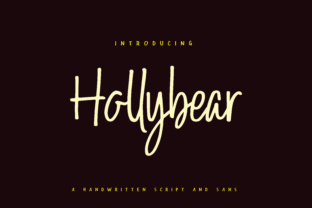
Building a recognizable brand as a small business owner often comes down to the details. When you are managing product photography, answering customer emails, and designing packaging all by yourself, finding design assets that feel both professional and personal is a constant challenge. This is where Hollybear becomes an essential tool in your creative arsenal. As a handwritten monoline font duo, it offers the authentic warmth of a signature with the clean consistency required for commercial branding. For entrepreneurs running boutiques, bakeries, coaching practices, or handmade shops, this typeface bridges the gap between DIY charm and established business credibility.
The Personality Behind the Typeface
Hollybear is not just another script font; it is a comprehensive design system tailored for versatility. The monoline construction means every stroke has the same weight, creating a visual rhythm that feels modern and tidy rather than messy or overly ornate. This specific stylistic choice makes it significantly more readable than traditional calligraphy fonts, which is crucial when your text needs to be legible on a mobile screen or a small product label. The package includes a script version for expressive moments, a regular version for cleaner applications, and bonus swashes that allow you to customize layouts without needing advanced graphic design skills.
The mood of Hollybear strikes a balance that many small businesses struggle to achieve. It is friendly and approachable without looking juvenile. It feels premium and intentional without appearing stiff or corporate. Whether you are selling artisanal skincare, offering wellness services, or running a local café, this font communicates trustworthiness through its neatness while retaining the human touch that distinguishes independent brands from mass-market competitors.
Practical Applications Across Business Touchpoints
Consistency is the foundation of brand recognition. Using Hollybear across various customer-facing materials helps create a cohesive visual identity that makes your business memorable. Here is how this versatile font translates to real-world business scenarios:
- Product Packaging and Labels: For handmade candle makers or beauty brands, the regular weight of Hollybear works beautifully for ingredient lists and scent names where readability is non-negotiable. The script variation can then be used for the product name itself to create hierarchy and shelf appeal.
- Social Media Content: Instagram carousels and Pinterest pins require typography that stops the scroll. The bold, uniform lines of this handwritten font remain crisp even when scaled down for thumbnails. Use the bonus swashes to frame quotes or highlight sale announcements in your stories.
- Website Headers and Banners: Web design relies heavily on typography to guide user attention. Hollybear serves as an excellent display font for hero sections or category titles. Its monoline structure ensures it loads cleanly and maintains integrity across different device sizes.
- Printed Collateral: From thank-you cards included in shipping boxes to physical menus in a coffee shop, the font adds a bespoke quality to printed matter. The swashes can transform a simple "Thank You" into a decorative element that enhances the unboxing experience.
- Logo Design: For startups and solopreneurs, the script version provides a solid foundation for a wordmark logo. Because it is a premium font designed for commercial use, it avoids the generic look of free alternatives while remaining distinct enough to serve as a primary brand identifier.
Strategic Font Pairing for Professional Results
While Hollybear is incredibly versatile, relying on a single typeface for every element of your brand can lead to visual fatigue. Effective branding requires thoughtful font pairing to establish information hierarchy. Because Hollybear has such a strong personality, it pairs best with supportive, understated typefaces that let it shine without competing for attention.
For body copy on your website or detailed descriptions on packaging, pair Hollybear with a clean sans serif font. A geometric or humanist sans serif provides high readability for long-form text while complementing the modern feel of the monoline script. Alternatively, if your brand leans towards heritage or luxury, pairing Hollybear with a classic serif font can add sophistication. The serif handles the informational heavy lifting, while Hollybear acts as the expressive accent for headlines, pull quotes, and calls to action.
When using the bonus swashes, treat them as graphical elements rather than text. They work best when balanced against ample whitespace and simple supporting typography. Overusing swashes can clutter your design and reduce readability, so reserve them for focal points like logo lockups, special announcement headers, or signature sign-offs on correspondence.
Readability and Accessibility Considerations
As a business owner, your primary goal is communication. Beautiful typography fails if your customers cannot read your prices, ingredients, or instructions. Hollybear’s monoline design inherently supports better accessibility than variable-width scripts, but you must still apply practical testing. Always print your labels at actual size before committing to a full production run. What looks legible on a 27-inch monitor may become illegible on a two-inch jar label.
For digital applications, ensure sufficient contrast between the font color and background. Handwritten fonts can sometimes blend into textured backgrounds, so test your social media graphics on multiple devices. If using Hollybear for critical information like pricing or allergens, consider utilizing the regular weight rather than the script to maximize clarity. Remember that accessibility is not just about compliance; it is about ensuring every potential customer can engage with your brand effortlessly.
Licensing and Commercial Usage
One of the most important aspects of using any creative font for business is understanding licensing. Hollybear is a premium asset, and protecting your business starts with respecting intellectual property. Before incorporating this typeface into your brand identity, verify that your license covers your intended use cases. Standard desktop licenses typically cover branding, packaging, and web graphics, but specific uses like merchandise for resale, digital templates for sale, or app embedding often require extended licensing.
Treating font licensing as a business investment rather than an expense protects you from future legal complications and supports the type designers who create these valuable tools. When you purchase the correct license for Hollybear through Script Amp or authorized retailers, you are securing the right to build a sustainable, professional brand. Keep your license documentation organized alongside your other business assets. This diligence demonstrates the same level of professionalism that Hollybear brings to your visual identity, ensuring your creative foundation is as solid as your business operations.