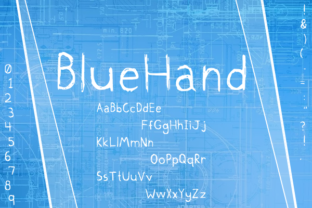
BlueHand Font: Handwritten Charm for Makers
The glow of the desk lamp was the only light left in my studio as I stared at the third iteration of a lavender candle label. Something was missing. The layout was clean, the logo was centered, and the safety warning was legible, but the product name itself felt sterile. It looked like something mass-produced in a factory rather than poured by hand in small batches. That is when I decided to swap out my usual display typeface for BlueHand. The difference was immediate. Suddenly, the label didn't just say "Lavender & Sage"; it whispered it. The organic flow of Marlee Pagels’ handwritten font creation bridged the gap between digital design and physical craft, giving the jar the authentic, personal touch my customers expect from a handmade business.
Capturing Authenticity in Product Packaging
For anyone running a creative shop or selling on platforms like Etsy, the struggle to maintain authenticity while using digital tools is real. We want our packaging to feel human, even if we are designing it on a screen. BlueHand excels in this specific niche because it avoids the overly polished perfection of standard script fonts. When applying this typeface to boutique tags or sticker sheets, the slight irregularities in the stroke width mimic the pressure of a real pen on paper. This visual texture is crucial for brand identity. It signals to the buyer that care went into every detail.
I recently used BlueHand for a line of seasonal tote bags. Printing directly onto canvas can sometimes make delicate scripts look faint or broken, but the weight of this handwritten font held up beautifully during the heat press process. The letters have enough substance to remain crisp without feeling heavy or clunky. Whether you are creating vinyl decals for mugs or printing thank-you cards to tuck into shipping boxes, the font maintains its integrity across different mediums. It transforms generic merchandise into branded keepsakes that customers actually want to display.
Elevating Stationery and Wedding Designs
Stationery designers know that readability is just as important as aesthetics. A common pitfall with many script amp category fonts is that they become illegible at smaller sizes or when used for longer phrases. BlueHand strikes a practical balance. While it shines as a display font for names and titles, it remains accessible for secondary information. During a recent wedding invitation suite mockup, I used BlueHand for the couple’s names and the "Welcome" signage, but I appreciated how well it interacted with supporting text. It has a friendly, approachable mood that works perfectly for modern weddings, baby showers, and birthday parties where the vibe is celebratory yet relaxed.
When designing printable wall art, this typeface brings a sense of intimacy to digital downloads. Customers purchasing instant art files often look for typography that feels like a personal note rather than a corporate poster. Using BlueHand for inspirational quotes or nursery prints adds that necessary layer of warmth. Because the letterforms are distinct and not overly swashed, they reproduce clearly on home printers, reducing customer support inquiries about blurry lines or ink bleed. This reliability makes it a staple asset for any printable creator’s library.
Strategic Font Pairing for Professional Results
A standalone handwritten font can carry a design, but professional results often come from thoughtful pairing. BlueHand possesses a natural versatility that allows it to play well with others. For product labels and packaging design, I find it pairs exceptionally well with a minimalist sans serif font. The contrast between the organic, fluid strokes of BlueHand and the structured geometry of a clean sans serif creates a modern editorial look that feels high-end. This combination ensures that while the product name captures emotion, the ingredients list and pricing remain strictly functional and easy to scan.
Alternatively, for a more traditional or vintage aesthetic, try pairing it with a simple serif font. This combination works wonders for farmhouse signs, heritage-style bakery branding, or classic book covers. The serif grounds the design, providing historical weight, while BlueHand adds a contemporary, personal signature. Avoid pairing it with other highly decorative scripts, as this can create visual competition and reduce legibility. Let BlueHand be the star of the typographic hierarchy, using supporting typefaces to frame and enhance its character.
Technical Considerations for Crafters and Sellers
Before integrating any new creative font into your commercial workflow, understanding the technical specifications is vital for smooth production. When working with cutting machines like Cricut or Silhouette, test BlueHand at various sizes first. While it cuts well on standard adhesive vinyl, extremely intricate connections in handwritten fonts can sometimes lift during weeding if sized too small. For sticker sheets or detailed planner icons, consider welding the text in your design software to create a single cut path, ensuring the machine treats the word as one continuous shape rather than individual letters.
Licensing is another non-negotiable aspect of using premium fonts for business. Always verify the specific license included with BlueHand before selling physical products, templates, or digital downloads. Commercial licensing terms vary, and ensuring you have the right to use the font on items for sale protects your shop from legal issues. Additionally, check for included alternates, ligatures, and multilingual support. These extra glyphs can be the secret weapon for customizing designs so they don't look identical to every other listing in your niche. Utilizing unique alternates helps maintain brand consistency while keeping individual product designs fresh and distinct.
Enhancing Perceived Value Through Typography
Typography is often the silent salesperson in handmade retail. The choice of typeface influences perceived quality before a customer ever touches the product. BlueHand contributes to a higher perceived value by suggesting artisanal effort. In a marketplace saturated with free, generic scripts, investing in a quality typeface like this demonstrates a commitment to design excellence. It tells the audience that the maker values aesthetics as much as function.
This emotional connection extends to social media graphics and listing images as well. When creating mockups for Instagram or Pinterest, BlueHand reads beautifully on mobile screens. Its open counters and balanced spacing prevent the text from looking muddy in compressed images. Consistent use of this font across your website, packaging, and social channels builds a cohesive brand identity that fosters recognition and trust. Over time, customers begin to associate that specific handwritten style with your shop’s quality and personality, turning a simple font choice into a powerful business asset.